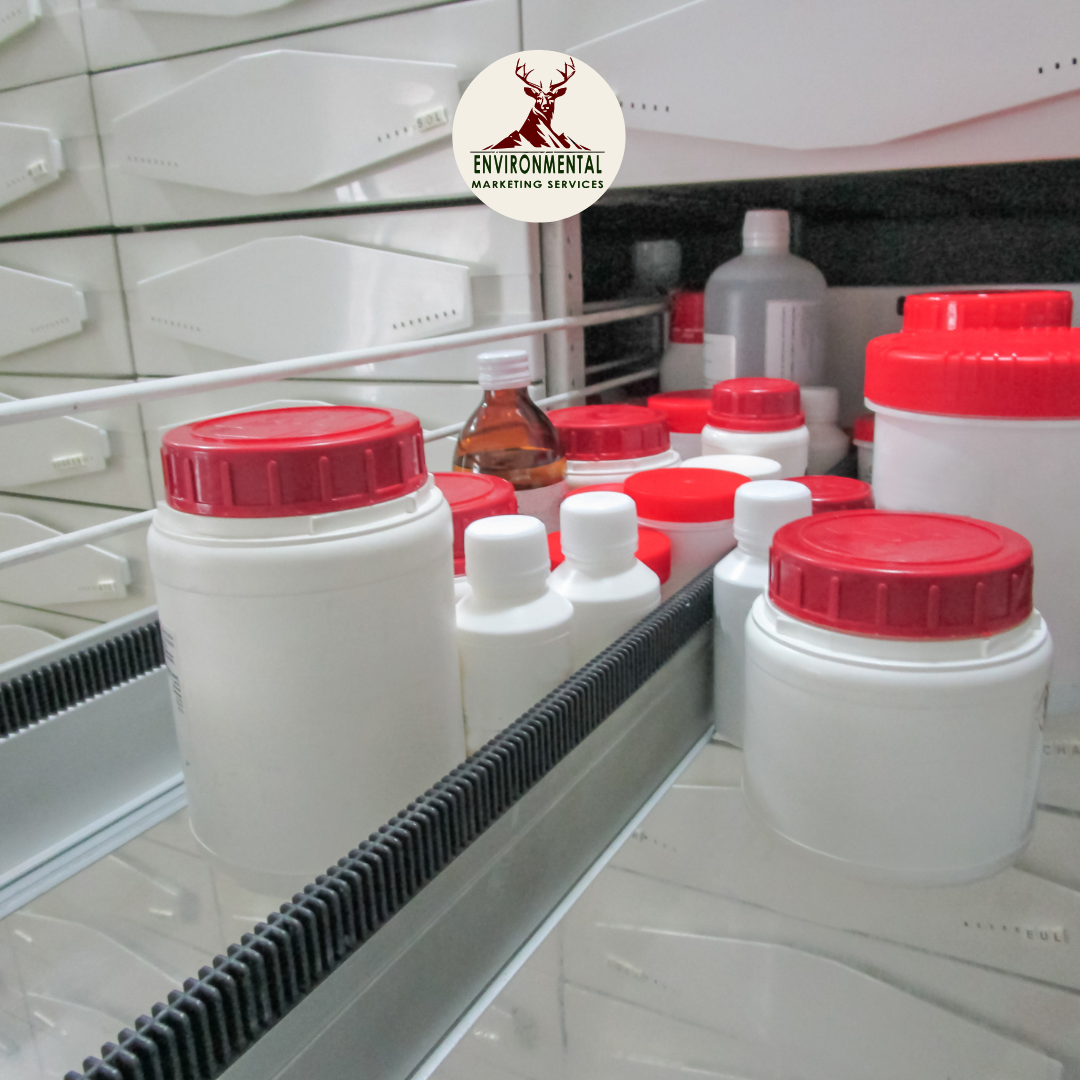
Why Safe Chemical Waste Disposal Protects Your Facility
Safe chemical waste disposal is about more than getting old containers out of your way. The way you handle, store, and remove chemicals directly affects safety, compliance, and your ability to keep operations running. When lab waste disposal goes wrong, even a single leaking bottle or incompatible mix can lead to spills, evacuations, and expensive cleanup work.
Improper handling of chemicals can also trigger regulatory violations. Missed labels, expired containers, or unknown substances left on shelves can raise red flags during inspections and audits. That can mean fines, forced shutdowns, or stricter oversight that slows down your work. Professional lab pack services are designed to prevent these issues by approaching lab waste disposal as a structured, documented process, not a last-minute scramble.
With lab pack services, trained personnel identify every chemical, consolidate and segregate materials, and package them for transport and disposal in a compliant way. This protects your people from exposure, protects your facility from incidents, and helps protect the community and environment from improper disposal. At Environmental Marketing Services, LLC (EMS), based in Seneca, South Carolina, we provide transportation, management, and disposal of hazardous, non-hazardous, and universal waste nationwide across 47 states, so facilities can rely on a consistent partner for responsible chemical management.
What Lab Pack Services Include and Why They Matter
Lab pack services are a structured approach to cleaning up and disposing of chemical inventories, especially small containers and mixed materials. A typical lab pack project starts with an on-site inventory, where every container is inspected and identified. From there, chemicals are segregated by compatibility, labeled, packed into appropriate outer containers, and documented with the proper shipping papers and manifests.
These services are not limited to research labs. They are valuable for a wide range of generators, including:
- Educational laboratories and schools
- Manufacturers and industrial plants
- Healthcare facilities and clinics
- R&D laboratories and pilot plants
- Institutional operations such as maintenance shops or facility support areas
Each of these settings can accumulate partial containers, outdated products, or unknown materials over time. Without a structured lab waste disposal plan, shelves and storage rooms can slowly become a mix of old reagents, cleaning products, maintenance chemicals, and specialty materials that no one wants to touch.
The benefits of professional lab pack services reach far beyond “cleaning out a room.” When we perform a lab pack, we help you:
- Improve day-to-day safety by removing unstable or deteriorated containers
- Simplify compliance by aligning disposal with current regulations and documentation standards
- Reduce the risk of accidental reactions by separating incompatible chemicals
- Streamline lab waste disposal so maintenance and EHS teams are not overwhelmed
By turning a messy, uncertain chemical inventory into clearly packaged and documented waste, lab pack services give your facility a cleaner starting point for ongoing chemical management.
Understanding Regulations That Govern Chemical Waste
Chemical and lab waste disposal is heavily regulated, and for good reason. At the federal level, the Resource Conservation and Recovery Act (RCRA) sets rules for identifying and managing hazardous waste. Facilities must determine whether their waste meets hazardous criteria, label and store it appropriately, and ship it only to permitted treatment, storage, or disposal facilities.
Transportation adds another layer of requirements. The Department of Transportation (DOT) regulates hazardous materials shipping, including classification, packaging standards, marking, labeling, and documentation. Incorrect shipping names, missing hazard labels, or improper packaging can lead to violations before your waste even leaves the loading dock.
On top of that, each state can have its own rules that supplement federal regulations, from storage time limits to specific labeling or reporting requirements. Generators are responsible for:
- Correctly identifying each waste stream
- Storing waste in compatible containers with proper closures
- Staying within allowed accumulation time limits
- Maintaining accurate manifests and records
Keeping all of this aligned while running a busy operation is challenging. When you partner with a qualified lab waste disposal provider, you gain support in interpreting requirements, organizing your program, and staying audit-ready. Our team at EMS focuses on compliant transportation, management, and disposal, and we bring that focus to every lab pack project we complete across the country. The goal is to minimize the chance of fines, violations, or reputational damage tied to chemical waste.
Step-by-Step Overview of a Professional Lab Pack Project
A successful lab pack project starts with careful planning. Before the first container is moved, we review your existing inventories, storage areas, and any known safety concerns. This might include walk-throughs of labs, maintenance rooms, storage closets, hazardous waste accumulation areas, and outdoor sheds where old products may have been set aside. We look for damaged containers, unknown materials, and any signs of leaks or corrosion.
Once the plan is set, the on-site work begins. Trained personnel sort and classify chemicals, separating acids from bases, oxidizers from organics, and so on. Unknowns are flagged for further evaluation. Compatible materials are grouped and packed into approved outer containers, such as drums or boxes lined with absorbent material. Throughout this process, each inner container is labeled, and the outer containers are prepared according to regulatory standards.
Documentation is built as we go. Proper shipping names, hazard classes, and quantities are recorded and used to prepare manifests and other shipping papers. This ensures that when the waste leaves your facility, everyone in the transportation chain understands what is in each container and how it must be handled.
Finally, the packaged lab waste is transported to approved treatment, recycling, or disposal facilities. EMS provides transportation across 47 states, so we can coordinate the shipment from your site to the appropriate endpoint. After disposal, you receive proof of proper handling and disposal, which supports your recordkeeping and compliance efforts.
Protecting People, Property, and the Environment Long Term
A single lab pack project is helpful, but long-term safety comes from ongoing chemical management. Many facilities get into trouble because chemicals quietly accumulate during years of experiments, maintenance work, or production changes. The best protection is a routine system that keeps inventories under control.
Some practical best practices include:
- Performing regular inventory checks and removing outdated products
- Choosing containers that are compatible with their contents and checking them for damage
- Keeping labels legible and complete, including contents and hazard information
- Storing chemicals by compatibility, not just alphabetically or by department
- Training staff on basic recognition of hazards and proper storage practices
Scheduling periodic lab pack services can prevent the buildup of unknowns and keep you from facing a massive cleanup all at once. Smaller, more frequent projects are often easier, safer, and less disruptive than waiting until storage areas are full. At EMS, we work with facilities of different sizes and industries, and we can adapt lab waste disposal plans to match your operational tempo and risk profile. Whether you have a single lab or multiple locations, a tailored approach helps keep people, property, and the environment safer over time.
Take the Next Step Toward Safer Chemical Waste Management
If you walk through your facility and see aging labels, crowded shelves, or containers that no one wants to touch, that is a signal to review your lab waste disposal practices. Many organizations discover that what started as an organized system has drifted over time as new products were added and old ones were forgotten. A structured evaluation of your chemical storage, accumulation areas, and disposal records can reveal gaps before they turn into incidents or violations.
By working with a provider that focuses on transportation, management, and disposal of hazardous, non-hazardous, and universal waste, you can turn lab pack projects into a routine part of your safety and compliance program. When lab waste is identified, packaged, documented, and shipped correctly, you gain peace of mind that your employees, neighbors, and the environment are better protected, while your operations continue with fewer disruptions and fewer regulatory surprises.
Protect Your Lab And Team With Compliant Waste Disposal Solutions
If you are ready to streamline your hazardous materials handling, our specialized lab waste disposal services can help you stay safe and compliant. At Environmental Marketing Services, we work with your team to build a practical plan that fits your lab’s workflow and regulatory requirements. Reach out today through our contact page so we can review your current processes and recommend the right disposal solution.